Identity Crisis of Northeast Indians: A Struggle for Recognition and Inclusion
WhatsApp Channel
Join Now
India is known for its diversity, but for many Northeast Indians, being part of the country feels like a paradox. While we are Indian citizens by birth, our experiences tell a different story—one filled with discrimination, cultural misunderstandings, and a constant struggle for recognition. Despite our deep-rooted connection to India, we often find ourselves being treated as outsiders.
What fuels this disconnect? Is it just about physical differences, or does it go deeper into history, politics, and society? Let’s understand the challenges faced by Northeast Indians.
Who Are the Northeast Indians?
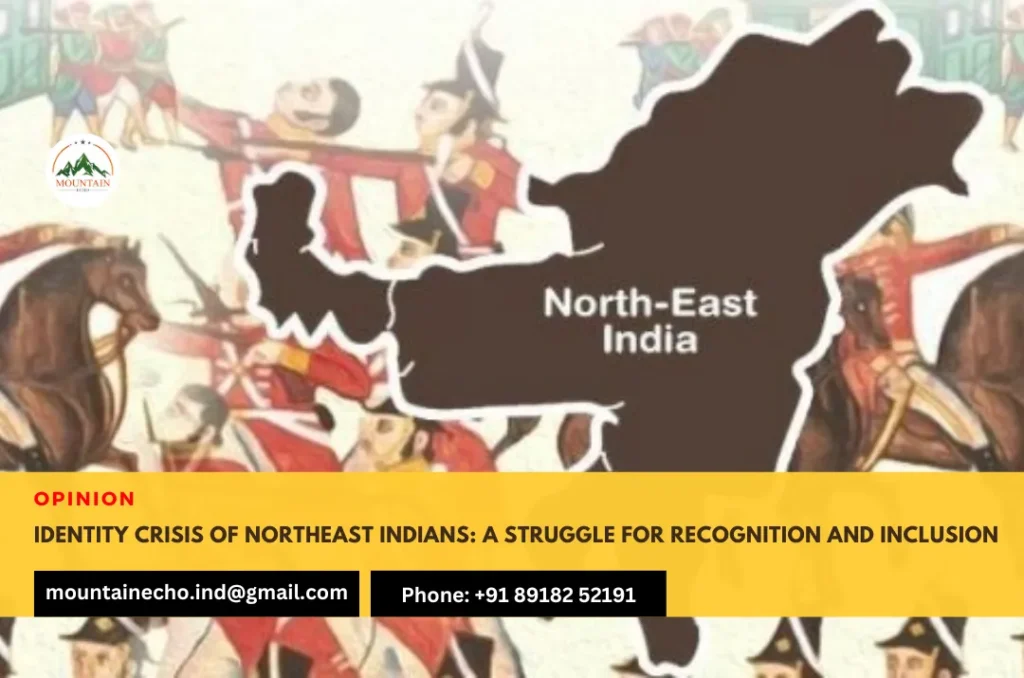
Northeast India consists of eight states: Arunachal Pradesh, Assam, Manipur, Meghalaya, Mizoram, Nagaland, Sikkim, and Tripura. The region is home to a vast array of ethnic groups, languages, and cultures that differ significantly from the rest of India.
The region shares international borders with China, Myanmar, Bangladesh, and Bhutan, making it a melting pot of influences. Over 200 ethnic groups and 220 languages are spoken, creating a rich but distinct identity.
The region has its own traditions, cuisines, and lifestyle, which often set it apart from the cultural mainstream of India. While this diversity is a strength, it has also contributed to their isolation from the rest of the country.
Do Northeast Indians Consider Themselves Indian?
This question is more complicated than it seems. Northeast Indians, in fact, do identify as Indian, but the question is whether the rest of the country see us the same way.
Many feel a lack of representation in politics, media, and mainstream culture. Just talk about visiting the rest part of India, we are often asked if we came from China, or Korea. This frequent questioning of our identity creates an internal conflict—do we truly belong?
The Everyday Struggle of Discrimination and Racism
Racism against Northeast Indians is an unfortunate reality. Many have faced:
- Verbal abuse – Racial slurs like “chinki” are commonly hurled at us.
- Physical violence – Cases of attacks on Northeast Indians have been reported, especially in major cities.
- Housing discrimination – Landlords refusing to rent to us due to prejudices.
- Being mistaken for foreigners – We’ve been mistaken for Chinese, Japanese even Korean.
The Visible Cultural and Physical Differences
One of the major reasons for this discrimination is, of course, the cultural and physical differences that set Northeast Indians apart from the rest of the population.
Many speak different dialects, which are unfamiliar to the rest of the Indians. Many of our festivals, attire, and food habits are distinct.
“We are often asked if everyone from the Northeast eats cats and dogs.”
These differences make us easy targets for discrimination, which in turn makes it harder for us to integrate into the broader Indian society. The fear of prejudice haunts most people from the Northeast.
Lack of Awareness: A Major Cause of Misunderstanding
The biggest challenge is the ignorance about Northeast India among the rest of the Indian population. Many Indians are unaware of Northeast India’s geography, history, and culture.
Northeast in particular hasn’t really been popularized that much, so they don’t know that much about us as much as we know about them. The media rarely highlights our contributions, struggles, or achievements.
Education systems do not focus enough on the Northeast’s history and significance. This lack of representation in education, politics, and media further deepens the disconnect.
Historical Neglect and Development Challenges
This part of India has always been lagging behind due to lack of attention and development from the central government. There are fewer opportunities which has always kept us marginalised.
Major challenges are:
- Poor infrastructure – Limited roads, healthcare, and electricity.
- Fewer educational institutions – Many students must travel far for higher studies.
- Limited job opportunities – Many leave the region in search of employment.
Despite these struggles, Northeast Indian do express a desire for better infrastructure, education, and job prospects in their region as much as the rest of the Indian do.
Progress Towards a More Inclusive India
But, in the recent times, more public figures – actors, singers, dancers and particularly sportspersons from the Northeast are emerging. This has set an atmosphere of optimism that India is progressing towards becoming a less racist and more inclusive society.
We have also seen a rise in tourism activities in the Northeast, thanks to social media, and vloggers wanting to explore our regions. Increased tourism is helping the rest of the Indians appreciate our culture and region.
Northeast Indians are as Indian as anyone else, but societal attitudes and government policies need to reflect that reality. Greater awareness and education can help break stereotypes.
The media must showcase Northeast culture and contributions. Government efforts should focus on infrastructure and employment opportunities.
India thrives on diversity, and true unity comes from embracing all its people—without bias or exclusion. It’s time for a more inclusive and accepting India.
Telegram Channel
Join Now